About the book
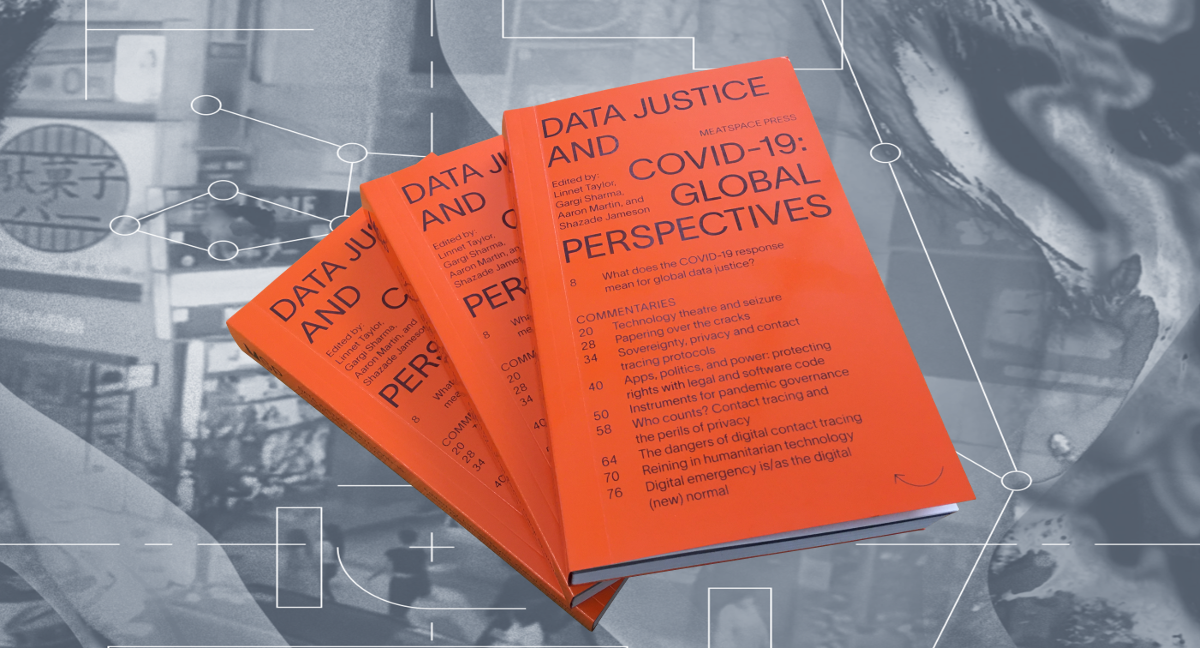
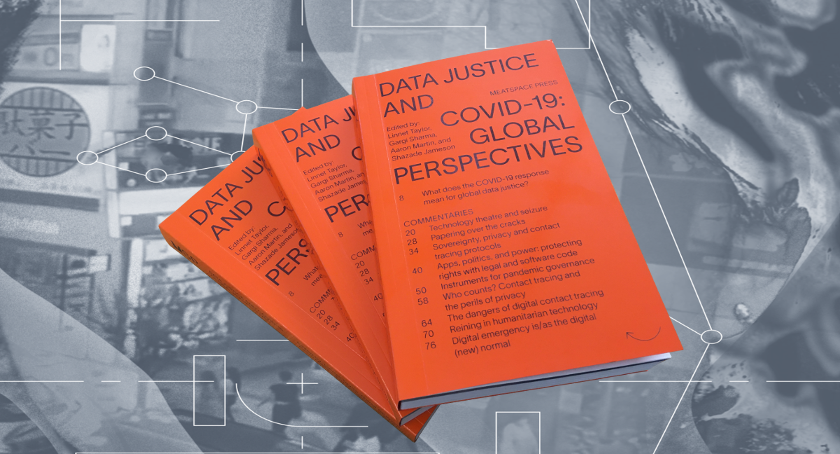
Data Justice and COVID-19: Global Perspectives, edited by Linnet Taylor, Aaron Martin, Gargi Sharma and Shazade Jameson.
Please visit our shop for a limited run of paperback copies, and a .pdf digital download.
The COVID-19 pandemic has reshaped how social, economic, and political power is created, exerted, and extended through technology. Through case studies from around the world, this book analyses the ways in which technologies of monitoring infections, information, and behaviour have been applied and justified during the emergency, what their side-effects have been, and what kinds of resistance they have met.
The book contains 38 essays of commentary and analysis comparing and contrasting how different surveillance technologies have been rolled-out in response to the pandemic. With sixty different authors covering events in over thirty countries.
A limited print run of the book is available in our shop now, as a paperback or digital download. If you have questions about the book, then please get in touch!
About the book:
In early 2020, as the COVID-19 pandemic swept the world and states of emergency were declared by one country after another, the global technology sector—already equipped with unprecedented wealth, power, and influence—mobilised to seize the opportunity. This collection is an account of what happened next and captures the emergent conflicts and responses around the world. The essays provide a global perspective on the implications of these developments for justice: they make it possible to compare how the intersection of state and corporate power—and the way that power is targeted and exercised—confronts, and invites resistance from, civil society in countries worldwide.
This edited volume captures the technological response to the pandemic in 33 countries, accompanied by nine thematic reflections, and reflects the unfolding of the first wave of the pandemic.
This book can be read as a guide to the landscape of technologies deployed during the pandemic and also be used to compare individual country strategies. It will prove useful as a tool for teaching and learning in various disciplines and as a reference point for activists and analysts interested in issues of data justice.
The essays interrogate these technologies and the political, legal, and regulatory structures that determine how they are applied. In doing so,the book exposes the workings of state technological power to critical assessment and contestation.
Contributors:
Ramiro Alvarez Ugarte, Naomi Appelman, Lilana Arroyo Moliner, István Böröcz, Magda Brewczyńska, Julienne Chen, Julie E. Cohen, Arely Cruz-Santiago, Angela Daly, Marisa Duarte, Lilian Edwards, Helen Eenmaa-Dimitrieva, Rafael Evangelista, Ronan Ó Fathaigh, Rodrigo Firmino, Alison Gillwald, Joris van Hoboken, Shazade Jameson, Fleur Johns, (Sarah) Hye Jung Kim, Dragana Kaurin, Mika Kerttunen, Os Keyes, Rob Kitchin, Bojana Kostic, Danilo Krivokapic, Vino Lucero, Enric Luján, Vidushi Marda, Aaron Martin, Sean Martin McDonald, Silvia Mollicchi, David Murakami Wood, Francesca Musiani, Grace Mutung’u, Daniel Mwesigwa, Smith Oduro-Marfo, Aidan Peppin, Bojan Perkov, Andrej Petrovski, Ate Poorthuis, Gabriella Razzano, Andrew Rens, Cansu Safak, Kristin Bergtora Sandvik, Raya Sharbain, Gargi Sharma, Linnet Taylor, Eneken Tikk, Jill Toh, Anri van der Spuy, Michael Veale, Ben Wagner, Tom Walker, Wayne W. Wang (pseudonym), Bianca Wylie, Karen Yeung, (Melissa) Hye Shun Yoon, and two anonymous authors.
Design and illustration by Carlos Romo-Melgar and John Philip Sage.
Ramiro Alvarez Ugarte, Naomi Appelman, Lilana Arroyo Moliner, Istvan Borocz, Magda Brewczynska, Julienne Chen, Julie E. Cohen, Arely Cruz-Santiago, Angela Daly, Marisa Duarte, Lilian Edwards, Helen Eenmaa-Dimitrieva, Rafael Evangelista, Ronan O Fathaigh, Rodrigo Firmino, Alison Gillwald, Joris van Hoboken, Shazade Jameson, Fleur Johns, Sarah Hye Jung Kim, Dragana Kaurin, Mika Kerttunen, Os Keyes, Rob Kitchin, Bojana Kostic, Danilo Krivokapic, Vino Lucero, Enric Lujan, Vidushi Marda, Aaron Martin, Sean Martin McDonald, Silvia Mollicchi, David Murakami Wood, Francesca Musiani, Grace Mutung'u, Daniel Mwesigwa, Smith Oduro-Marfo, Aidan Peppin, Bojan Perkov, Andrej Petrovski, Ate Poorthuis, Gabriella Razzano, Andrew Rens, Cansu Safak, Kristin Bergtora Sandvik, Raya Sharbain, Gargi Sharma, Linnet Taylor, Eneken Tikk, Jill Toh, Anri van der Spuy, Michael Veale, Ben Wagner, Tom Walker, Wayne W. Wang, Bianca Wylie, Karen Yeung, Melissa Hye Shun Yoon and two anonymous authors.